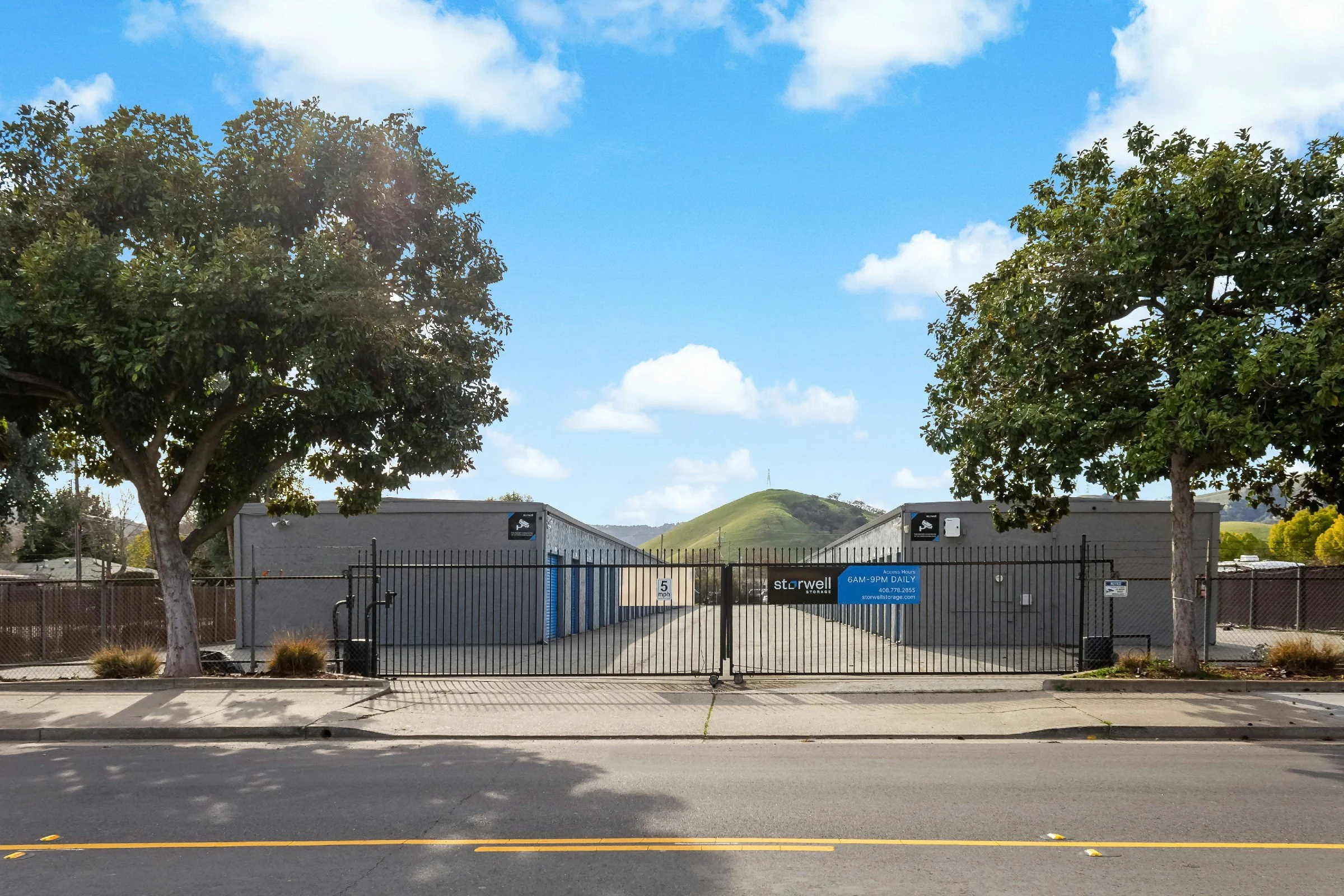
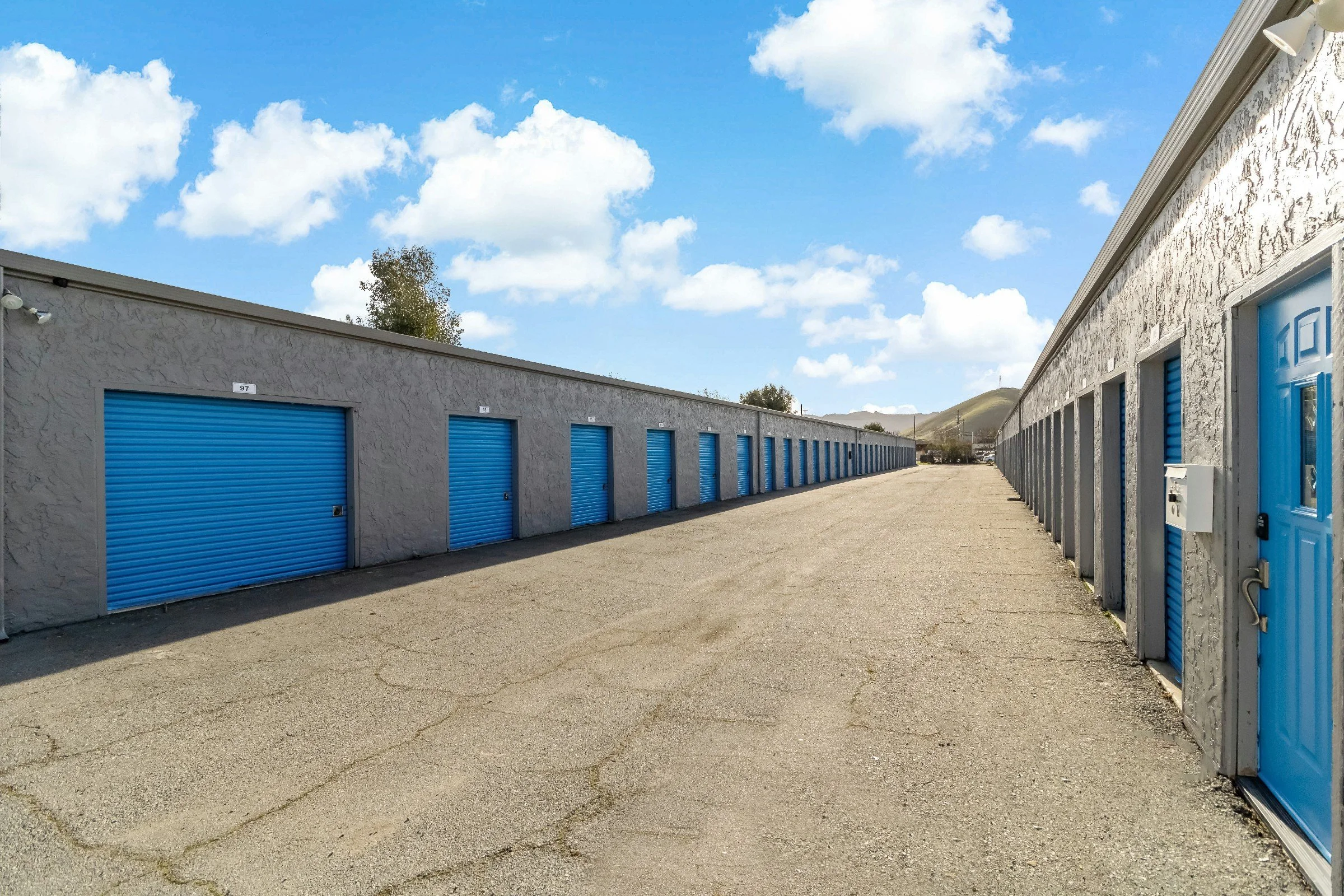
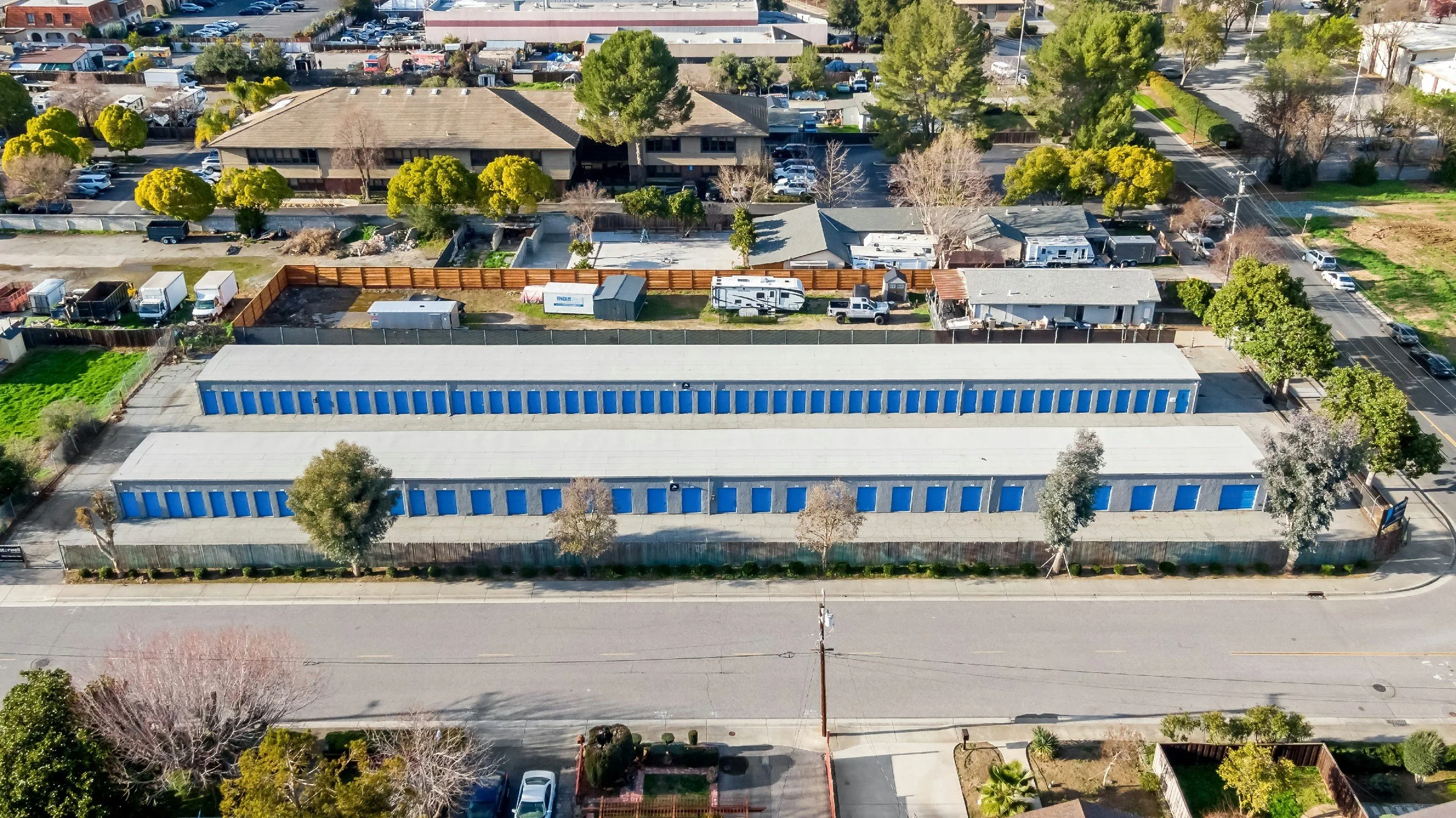
Storwell - Barrett
The opportunity
Barrett had been on the market for more than nine months when we found it. The facility itself was sound but the offering was structured poorly.
It was being marketed as a development opportunity, bundled with the adjacent residential parcel. Storage buyers would have had to take on a house. Developers would have had to take on an occupied storage facility. Neither group wanted the other half, and the listing stalled.
We worked with the listing broker to separate the parcels. The residential lot sold independently to a buyer who wanted a residential lot, and we acquired the storage facility on its own — at a basis that made the business plan work before we changed anything about the property.
What we did
The asset didn’t need substantial physical work. No expansion, no conversion, no repositioning. The underperformance was operational.
Our in-house property management company, Storwell Storage, assumed management and implemented our standard playbook:
Rebuilt the website and paid search presence
Implemented revenue management and existing-customer rate increases against rates that had been static for years
Transitioned call handling to our centralized call center
Rebuilt the lien process to address a large amount of “ghost tenants” (tenants that stopped paying and were never moved out or auctioned)
Occupancy improved from 83% to 96%. Rates moved from below market to in line with the overall market.
What drove the return
Three things, in roughly this order of contribution.
Operations. In-place monthly revenue grew approximately 40% over the hold period, driven by the occupancy gain and the rate movement together. At prevailing cap rates, that NOI growth accounts for the majority of the increase in value between purchase and sale. It is also the portion that is repeatable — it is what our management platform is built to produce, and we are running the same playbook across the rest of the portfolio.
Deal structuring. Separating the parcels was not a lucky find. It required working closely with the listing broker, sourcing a buyer for the residential lot, and restructuring a transaction that two different buyer pools had already passed on. That work created the basis, and the basis is what made the operating plan viable.
Market conditions. A 21-month hold in a market that cooperated helped, and cap rates were favorable at exit to the point it made sense for us to sell the asset.
The buyer retained Storwell as third-party manager following the sale.
Matthew McCaffrey of Marcus & Millichap – Levin Johnston represented us in the transaction.